
The House Always Wins
One of the most prevalent myths surrounding casinos is the notion that “the house always wins.” While it’s true that casinos are designed to have a statistical edge over players, this phrase can be misleading. The phrase implies an inevitability to losing, yet many players do win, sometimes substantially. The reality is that, over the long term, the house maintains a mathematical advantage, but individual sessions can still yield significant wins for players, especially when using a crypto betting exchange vodds to enhance their chances of success. This variance can create the illusion that players might have a real shot at beating the odds, which adds to the excitement of gambling.
Moreover, many factors contribute to a player’s success in a casino. Skill games like poker and blackjack allow seasoned players to leverage their knowledge and strategies to win. In these games, decision-making can influence outcomes significantly. Players can employ various tactics and approaches to enhance their chances, such as reading opponents in poker or mastering the art of card counting in blackjack. Furthermore, players often experience winning streaks that can seem to defy the house edge, reinforcing the belief that winning is possible.
Therefore, while it is essential to acknowledge the house’s long-term statistical advantages, it’s equally important to recognize that luck plays a considerable role in short-term outcomes, allowing players the chance to win. Understanding this dynamic can lead to a more nuanced appreciation of gaming experiences, showcasing that the thrill of gambling is not solely about the inevitable loss. Instead, it’s about enjoying the moments of victory and the excitement that comes with the unpredictability of chance.
Slot Machines are Rigged
Another common myth is that slot machines are rigged, leading to widespread skepticism among players. Many believe that casinos manipulate these machines to control outcomes, ensuring that players will never win. However, this assumption overlooks the fact that slot machines operate on random number generators (RNGs). These sophisticated algorithms are designed to ensure fair play by generating outcomes that are completely random, making it impossible for the casino to alter the results on a whim. This randomness is what keeps the gaming experience exciting and unpredictable.
Additionally, regulations often govern the gaming industry, enforcing strict standards for fairness in slot machines. These rules are designed to protect players and promote trust in the gaming environment. Independent testing organizations verify RNGs and ensure that the machines adhere to fairness standards. This means that while individual players may experience stretches of bad luck, it is not due to any manipulation by the casino but rather the inherent randomness of the games. Understanding this can enhance player confidence in the fairness of their gaming experience.
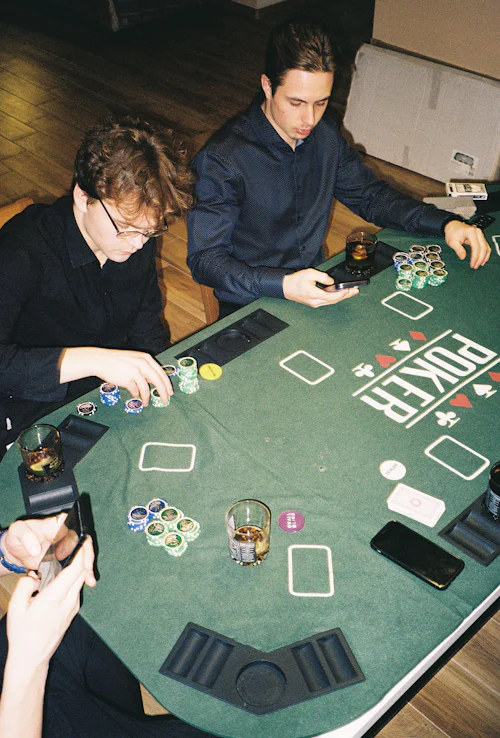
Understanding the mechanics behind slot machines can alleviate concerns about rigging. Players should focus on responsible gaming practices instead of harboring misconceptions about unfairness. Recognizing that every spin is entirely independent of the last can enhance the enjoyment of playing slots, as the thrill lies not in expectation but in the element of surprise with each play. Embracing this perspective allows players to enjoy the entertainment value of slots without the burden of unfounded doubts.
Winning Strategies are Guaranteed
Many casino-goers cling to the myth that certain ‘winning strategies’ can guarantee profits at gaming tables. Whether it’s the Martingale system in betting or tricks purportedly taught by seasoned gamblers, these strategies often lead players to believe that they can outsmart the system. However, the reality is that no strategy can change the inherent odds of a game. Games like roulette, blackjack, and poker are governed by chance, and while strategies may help in decision-making, they cannot eliminate the house edge. This understanding is crucial for players aiming to enjoy their time without falling into the trap of false hope.
In skill-based games like poker, a good strategy can indeed improve a player’s odds against opponents but can never guarantee a win against the house. Variance is a natural part of gaming; even the best players face losing streaks. Misleading assumptions can lead players to chase losses or bet more extensively in a futile attempt to recover, resulting in increased financial risk rather than a path to guaranteed profit. Acknowledging this reality can prevent players from engaging in risky behaviors in pursuit of elusive winnings.
Therefore, while having a fundamental understanding of strategies may enhance a player’s gaming experience, it’s critical to maintain realistic expectations. Gambling should be approached as a form of entertainment rather than a consistent source of income. Accepting the unpredictability of games can help players enjoy their time at casinos without falling prey to the illusion of guaranteed winning strategies. This mindset fosters a healthier relationship with gambling, emphasizing enjoyment over financial gain.
Compulsive Gambling is Rare
A prevalent myth is that compulsive gambling is a rarity, affecting only a small percentage of players. This notion can be dangerous as it downplays the serious nature of gambling addiction. In reality, compulsive gambling impacts a significant number of individuals, and the risks can be exacerbated by the psychological nature of gambling itself. Those who develop compulsive behaviors might not initially recognize the signs, leading to severe personal and financial repercussions. Awareness of this issue is essential for fostering a supportive environment.
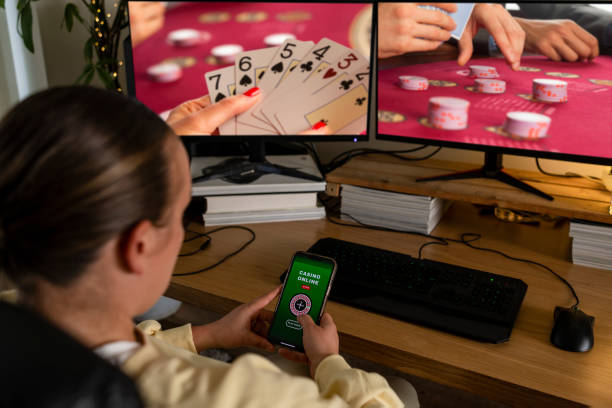
The glamour often associated with casino life can mask the darker side of gambling addiction. Factors such as escapism, the thrill of risk, and the potential for substantial financial gains can draw individuals into patterns of behavior that are difficult to escape. It’s crucial to acknowledge that gambling addiction can affect anyone, regardless of socioeconomic background or experience level. Education and awareness are key in recognizing the signs of problem gambling early and seeking help. This proactive approach can make a significant difference in the lives of those affected.
Support groups and resources are available for those who find themselves struggling with gambling addiction. Acknowledging the prevalence of compulsive behaviors can foster a supportive environment for those affected, empowering individuals to make informed choices about their gambling habits. By fostering an open dialogue about gambling addiction, players can be more adept at recognizing their limits and enjoying gaming responsibly. Addressing this myth is essential for promoting understanding and compassion within the gaming community.
Understanding Responsible Gambling
For those looking to enjoy the exhilarating world of casinos, understanding responsible gambling is essential. Many casinos and gaming platforms promote responsible gambling initiatives that encourage players to set limits, understand their game choices, and recognize the signs of problematic behavior. These measures are driven by the understanding that while gaming can be entertaining, it’s vital for players to engage responsibly to avoid potential pitfalls associated with gambling. Such initiatives are designed to protect players and ensure a safe gaming environment.
Responsible gambling involves establishing a budget before playing, knowing when to take breaks, and being aware of the distinction between gambling for fun and gambling as a potential financial risk. Furthermore, many reputable casinos offer tools that enable players to set deposit limits or self-exclude for certain periods. Such measures are designed to keep gaming enjoyable and far removed from the detrimental impacts of uncontrolled gambling. Being proactive about responsible gambling can greatly enhance the overall experience.
Educating oneself on the principles of responsible gambling can enhance the gaming experience and ensure that it remains a fun pastime rather than a source of stress or financial burden. By focusing on moderation and self-awareness, players can fully appreciate the excitement of casinos while minimizing the associated risks. Understanding these principles is the foundation for a positive relationship with gambling, encouraging players to enjoy their experiences while maintaining control over their gaming habits. Ultimately, responsible gambling contributes to a healthier and more enjoyable environment for all participants.
